
How to work with an interior designer
A client guide for high-end projects
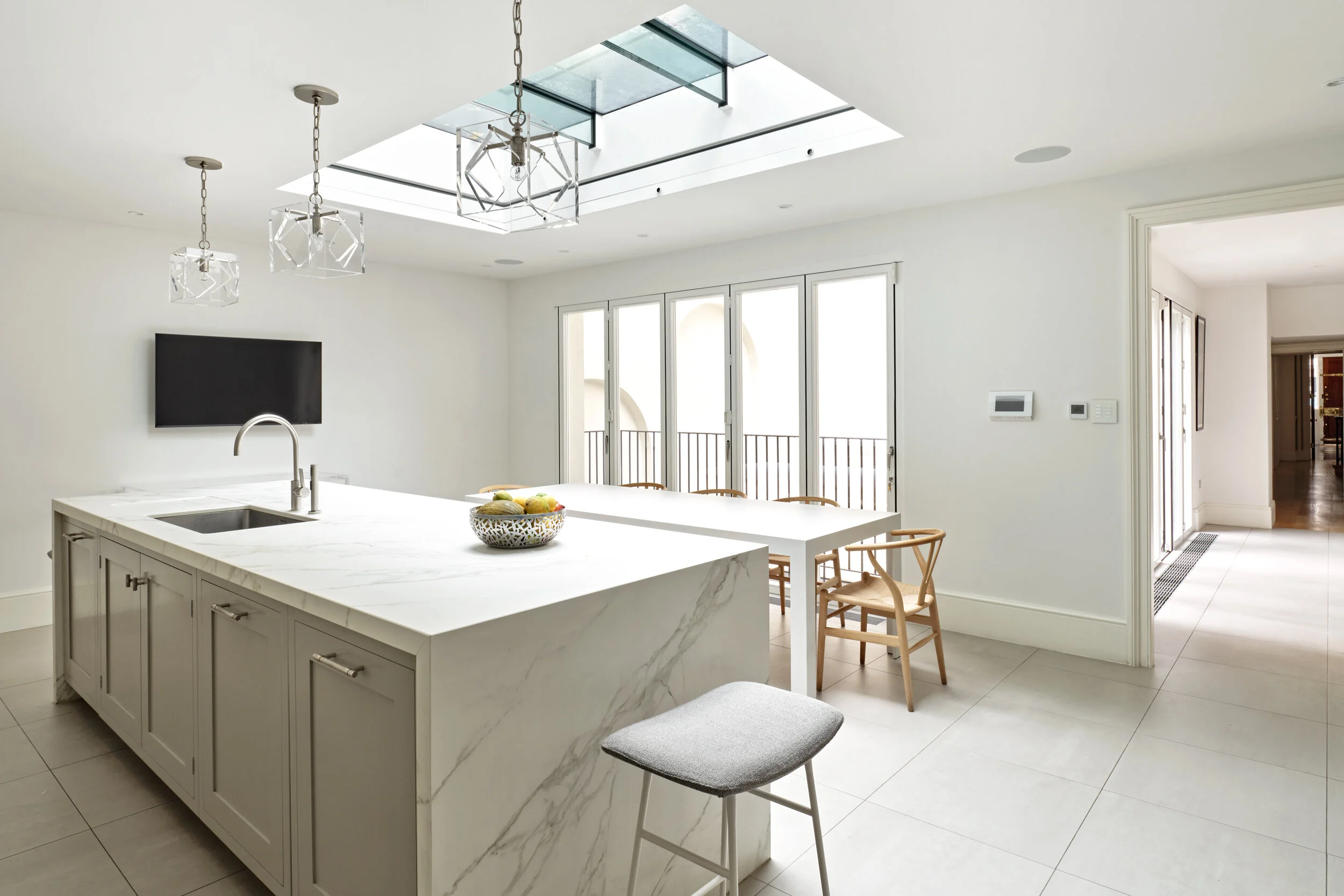
We are a design house that takes on different roles depending on the project's requirement and the specialism required to make the project a success. On some, we are the appointed design management team. On others, we are the appointed interior designers leading the creative and technical delivery. That range of experience means we see the client-designer relationship from every angle.
Understanding how to work with an interior designer is one of the most valuable things a client can do before a project begins. The process is collaborative, but it follows a clear structure. Knowing that structure helps you engage at the right moments and get the best outcome.
This guide draws on what we've learned across our own projects. Whether you're working with us or with another specialist, these principles hold.

What does the interior design process look like?
The interior design process on a high-end project follows a defined sequence. It begins with an initial consultation, moves through concept development and detailed design, progresses into technical documentation and ends with on-site delivery.
Each stage builds on the one before it. Decisions at concept stage inform the detailed drawings. Approvals during developed design shape what the contractor prices. When we lead a project as the interior designer, we guide clients through each stage with a clear programme so nothing arrives as a surprise.
Starting with the right conversation
Every project we take on begins with an interior design consultation. This is where we learn how you live, how you use your space or want to use the space, what aesthetic direction appeals to you and what your priorities are.
For clients, this is your opportunity to be open about budget, timeline and any non-negotiables. The more clearly you communicate your expectations at this stage, the more aligned the design will be when the first concepts are presented.
A good consultation is a two-way conversation. We ask detailed questions, but you should also be assessing whether our approach and communication style feel right for your project.
Concept design and creative direction
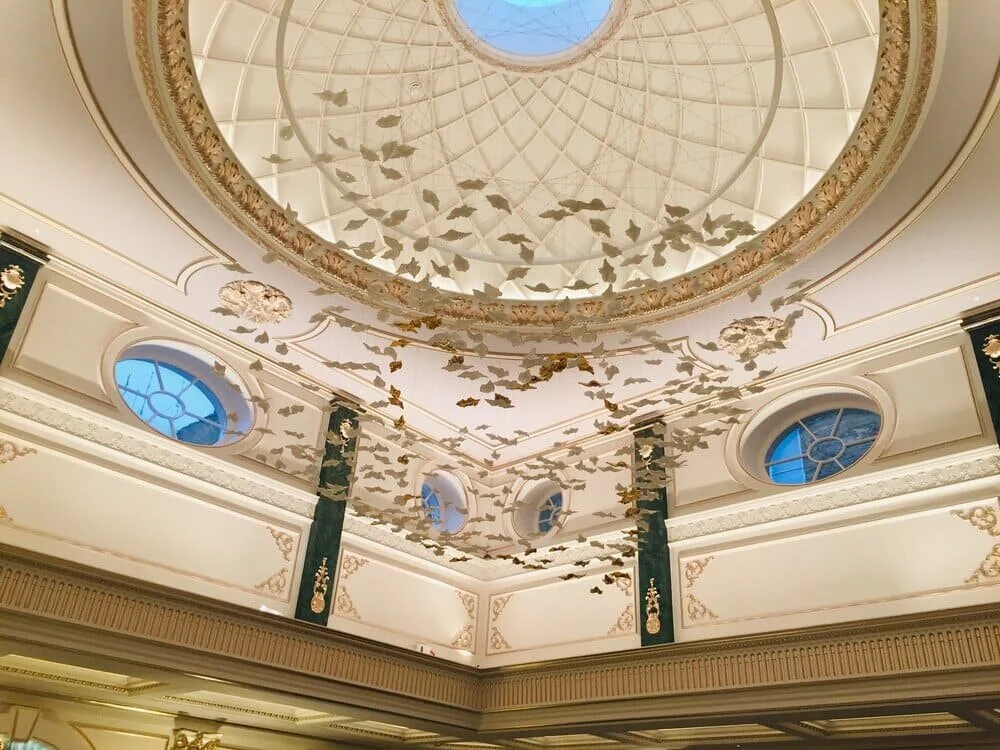
Once appointed, we develop an initial concept. This typically includes mood boards, spatial layouts, early material palettes and indicative imagery that captures the feel of the scheme.
This is the stage where your feedback matters most. Be specific where you can. "I don't like this" is less useful than "this feels too dark for how we use the room." Clear feedback helps us refine quickly rather than revisiting the same ground.
We discuss why creative leadership matters at this stage in our article on why interior designers should take the lead. When we are the designer on a project, we actively encourage honest feedback because it saves time and improves the outcome.
Developed and technical design
After the concept is approved, the design moves into more detailed territory. Developed design refines layouts, confirms material selections and begins to resolve how everything fits together technically.
Technical design follows, producing the drawing packages the contractor will build from. This includes joinery sections, reflected ceiling plans, lighting layouts and finishes schedules.
For clients, this stage can feel less visual and more administrative. But it's where quality is protected. When we lead a project through our high end interior design service, we manage this coordination in house. On projects where we provide Design Management alongside a separate designer, we review the information before it reaches the contractor. Either way, errors caught here cost a fraction of what they cost on site.
Managing approvals and keeping the programme on track
Throughout the project, there are defined approval points. These might include sign-off on the concept direction, confirmation of a materials palette, approval of a kitchen layout or agreement on a lighting scheme.
Timely approvals keep the programme moving. Delays in client sign-off can push procurement timelines, affect contractor scheduling and extend the project. We provide clear deadlines for each decision so you know what's needed and when.
If you're unsure about a decision, raise it early. We would far rather discuss a concern than discover a change of heart three months later. Our article on the importance of having a specialist consultant across your project explains how structured oversight helps keep approvals and programmes aligned.

Communication throughout the project
Clear communication holds the whole relationship together. At the start of every project, we agree how updates will be shared, how often we'll meet and who the main points of contact will be.
On high-end projects, regular design reviews and progress reports are standard. You should expect to see your project evolving through structured updates rather than hearing nothing for weeks and then receiving a large presentation.
For projects where we act as both the designer and the coordinator, communication is naturally more streamlined because every discipline reports through one team. Where multiple consultants are involved, we explore how that collaboration works in how collaboration with interior designers and architects shapes high-end residential design.
Why the right appointment matters
Not every interior design practice works in the same way. Some focus purely on the creative concept and hand off to others for delivery. Others, like us, offer an end-to-end approach through our turnkey interior design service, managing every stage under one roof.
For clients who want a single point of accountability, that model removes a lot of the coordination burden. Whatever model you choose, the principle is the same. Hire someone whose process you understand, whose communication style works for you and whose experience matches the complexity of your project.
Final thoughts on working with an interior designer
The clients who get the most from their designer are the ones who engage clearly, respond honestly and trust the process. Hiring an interior designer in London for a high-end project is a significant commitment, but the right relationship justifies it.
If you're interested in knowing more about how SP3 London can support you across your project when it comes to Interior Design, Design Management and more, get in touch with us today.
Recommended Articles


