
Translating home comforts into hotel guest experiences
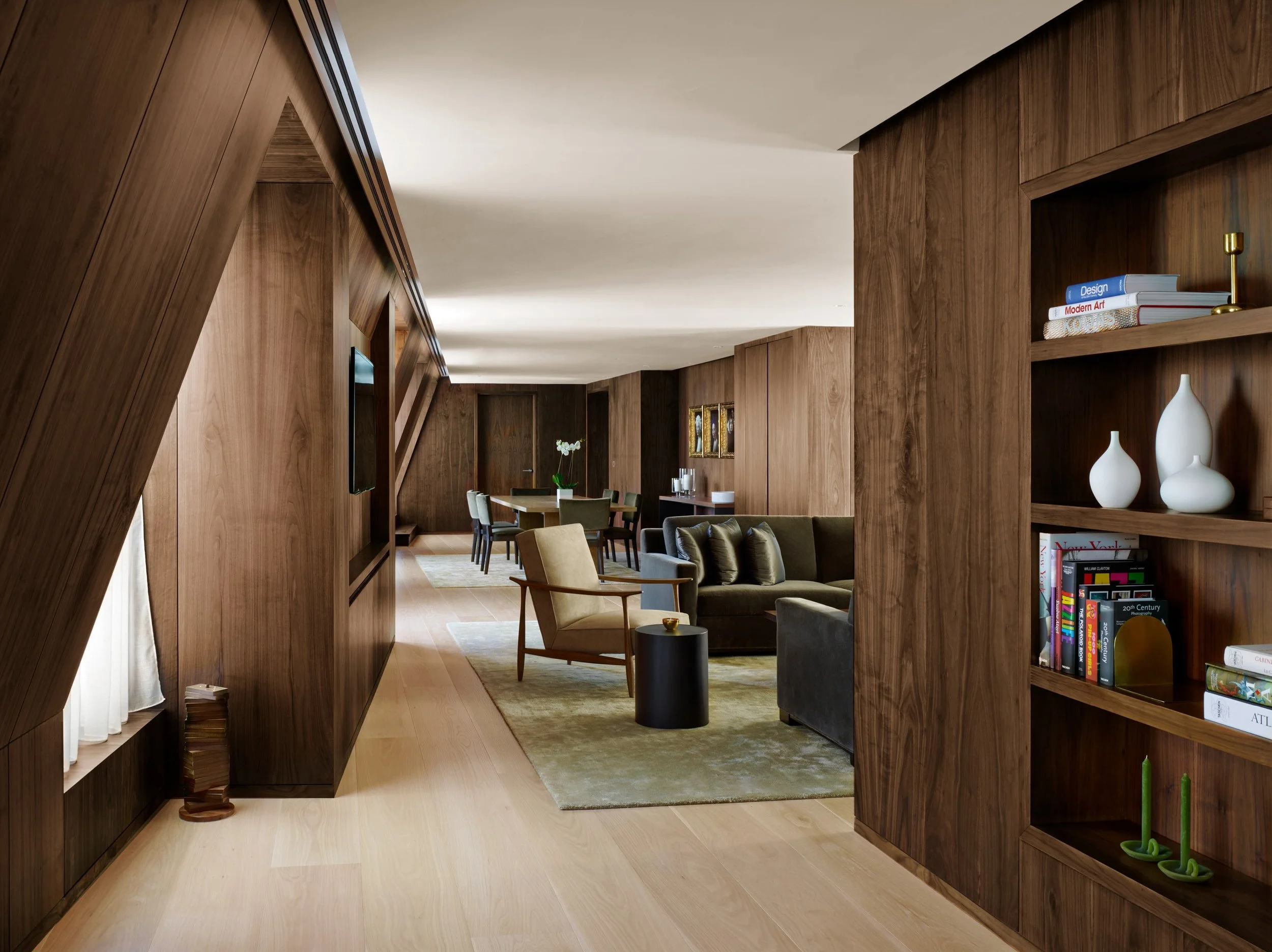
Image Source: https://www.cntraveler.com/hotels/london/the-london-edition
Across London the line between home living and hotel luxury is becoming slimmer every year. Guests want comfort that feels familiar yet elevated. They want choice, control, ease and personality. Hotels across Mayfair, Soho, Marylebone and Shoreditch have started borrowing cues from residential interiors bringing warmth, softness and a sense of real character into their guest spaces. This shift has transformed the experience from something polished and formal into something far more human.
At SP3 London we see this influence every day. Residential design has always prioritised comfort movement texture and mood. When these ideas are introduced into hospitality settings they set a richer tone for guest stays and support the idea of a hotel suite that feels lived in not just visited. Find out even more on this topic by reading our insight on, when residential design becomes hospitality.

Why guests crave a homely feel in modern hotels?
The modern guest is not impressed by grandeur alone. They want a stay that feels personal and soothing. After a long flight or a busy city day the most valued feelings are familiarity and ease. Soft lighting, restful colours, natural textures and thoughtful spatial flow all help guests settle into a slower rhythm.
Hotels such as The London Edition and One Aldwych have built their identity on this softer approach. Suites feel more like refined city apartments than formal hotel rooms. This direction matches what we now see across the luxury market and it supports what we noted in our article, what should a luxury hotel guest suite include in 2025. Comfort and atmosphere are the strongest markers of modern luxury.
Bringing comfort through layout and soft finishes
The influence of home living starts with how a space is arranged. Residential layouts focus on natural movement and moments of calmness. Seating that encourages conversation. Drapery that softens the room. Carpets that help with acoustics. These elements support the emotional side of a stay.
Take The Henrietta Hotel in Covent Garden. Its rooms feel small in footprint yet rich in tactility. Upholstered headboards, natural timber furniture and layered fabrics create a warm balance. Nothing feels overly formal. Instead every finish brings guests closer to the charm of a well designed home.
Soft finishes give a hotel room its soul. They add depth without noise. They also help with practical comfort which is something the hospitality sector sometimes forgets. We’ve explored this topic further in our piece on commercial interior design tips for a successful project.

Image: The Mandarin Hotel, Hyde Park
Furniture choices that support slow living
Residential comfort is built on furniture that invites people to slow down. It is not about statement pieces but those that feel natural in the hand. A chair that supports the body. A sofa that allows you to curl into it. A bedside table that holds a small book light phone and glass without clutter.
Hotels embracing this trend often select furniture with rounded edges, softer silhouettes and tactile materials. The Londoner for example uses generous armchairs and deep sofas to encourage long restful pauses. These choices make suites feel less like temporary accommodation and more like a space a guest might happily live in for weeks.
We reflect this approach in many of our residential and hospitality schemes where thoughtful furniture placement links design character with daily use.
Borrowing from residential wellbeing design
Wellbeing is no longer a spa only idea. It shapes how guest rooms are planned, furnished and lit. Natural light is prioritised. Materials stay breathable and warm. Colour palettes avoid cold tones. Bathrooms become spaces for recovery rather than routine.
London hotels such as The Nomad and One Hundred Shoreditch use these ideas to create rooms that feel like retreats. Warm lighting, gentle textures and natural stone create a steady relaxing environment. For more depth on this you can explore the growing influence of residential design on hospitality spaces.
Lighting has become one of the most powerful contributors to wellbeing. Thoughtful scene setting and warm tones can completely change the feeling of a room. Find out more in our article piece on luxury lighting in hospitality projects.
Balancing home inspired warmth with hotel grade durability
Hotels face a challenge that homes do not. Every surface, every fabric and every fitting must survive constant use. This is where the combination of residential comfort and hotel grade durability needs careful balance.
Strong durable fabrics can still feel soft. Joinery can remain elegant while delivering storage strength. Stone and timber can bring warmth without compromising longevity. Achieving this balance requires tight coordination between designers, suppliers and builders. Hotel interiors succeed when the warmth of a residence is delivered with the standards of commercial use.
Final thoughts on shaping a hotel that feels like home
The future of hospitality sits between comfort and character. The most successful hotels in London are no longer those that simply impress. They are the ones that make guests feel grounded, calm and understood. The blend of residential comfort and hospitality expertise is reshaping the entire sector.
At SP3 London we believe a hotel should feel like a retreat not a showroom. A place where every finish and every piece of furniture carries intention. A place that welcomes guests in a way that feels sincere. With thoughtful planning and well managed design delivery hotels can offer the depth of a home with the service of a luxury stay.
For more insights into how residential living continues to influence hospitality you can explore FFE and OSE explained for the hospitality sector which pairs well with this theme.
Recommended Articles


