
What does a design manager actually deliver on an interior project?
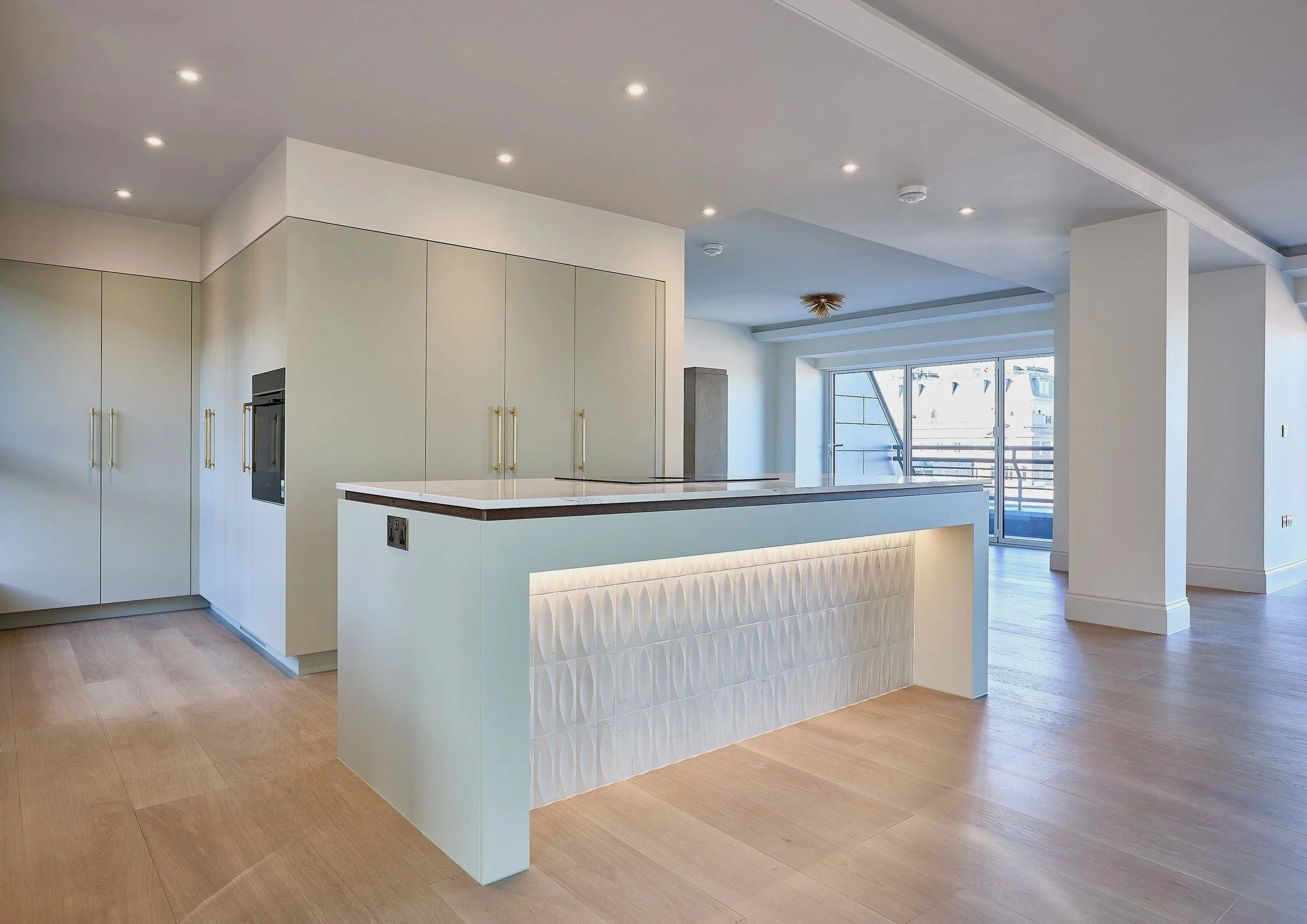
The role of a design manager is often misunderstood. Many clients hear the term and assume it means general oversight or high level coordination. In reality, the role is far more practical and far more structured. At SP3 London, design management is not a loose advisory service, it’s the core aspect to why and how we operate. It is a defined process with clear deliverables. We see design management very differently.
We are not the project manager, we are not the lead designer, we are not simply a coordinator. We are appointed to protect the design of a project.
Through our specialist Design Management service, we are brought in by the project lead to ensure the design aspects of a project remain technically aligned, commercially aware and deliverable on site.
Project managers focus on contracts, programme and high level commercial oversight. Our role is narrower and deeper. We focus specifically on the design.
When clients ask what we actually deliver, our answer is simple. We deliver clarity, control and protection of design intent from concept through to completion.

What does design management mean in interior projects?
In interior projects, design management sits between creative ambition and build reality. Architects and interior designers develop vision, contractors build, consultants advise, clients make decisions. Each discipline produces information. Without the right structure in place, those layers can easily misalign, leading to issues across projects.
Without structured oversight, design information can become fragmented. We provide the framework that holds them together.
This includes:
Reviewing and aligning design information
Coordinating consultants technically
Tracking changes and approvals
Protecting specification quality
Ensuring buildability
Whether focusing across residential or hospitality projects this aligns closely with our Design Management approach where the detailing is intricate and the expectations are high.
Design management is not about creative authorship. It is about technical integrity.
What does a design manager actually deliver on an interior project?
Rather than describing our service in general terms, we prefer to break it down into tangible deliverables. Below are four key areas where we add measurable value.
1. Structured design reviews and coordinated reporting
One of the key things we deliver early on is structured design review.
At the concept stage, we review layouts for feasibility, we assess whether ceiling voids allow for particular services, and we flag structural implications of feature staircases or double height spaces. Our role starts within the initial stages of a project.
At developed and technical design stages, we review drawing packages across disciplines in detail. We do not simply check that drawings have been issued. We interrogate how they work together.
We check alignment between reflected ceiling plans and mechanical layouts, compare joinery details against architectural wall build ups and review lighting coordination against ceiling zones and access panels. We also assess whether finishes integrate correctly with fire strategy requirements and service penetrations.
We also verify that specifications reflect what is shown graphically. A material noted on a drawing must match the written schedule. A bespoke detail must be supported by sufficient technical information for fabrication.
Where inconsistencies appear, we issue structured comments and require clarification before information progresses to the site.
Our role at this stage is to eliminate ambiguity. By challenging coordination gaps early, we reduce the risk of redesign during construction and protect both programme and design intent.
Our output includes:
Formal drawing review comments
Design risk registers
Issue trackers
Responsibility matrices
These are not informal conversations, they are documented reports that create accountability across the design team.
We expand on this structured oversight in The role of design managers in overcoming design and construction challenges where we show how early review prevents site level problems.
2. Consultant coordination and technical alignment
Interior projects rarely fail due to lack of creativity, they more so fail due to lack of coordination. We deliver technical alignment between architects, interior designers, structural engineers and specialist consultants.
Our purpose and responsibility as design management experts is that we chair coordination meetings. We issue clear action lists whilst also tracking outstanding technical queries.
When shop drawings are submitted by contractors, we review them against the approved design intent. We ensure bespoke joinery details match the original specification. We confirm that materials meet performance requirements.
This bridging role between design team and contractor is explored further in Bridging the gap of how design managers support contractors on modern projects.
Our deliverable here is clarity, we ensure no one is working from assumptions.
3. Protection of design intent during construction
When construction begins, it introduces a new type of pressure to any project. This is where we start to see programmes tighten, substitutions are proposed, value engineering discussions arise and more.
As the assigned design managers across projects it’s our role to remain focused on protecting the integrity of the design. If a contractor proposes an alternative finish, we assess impact on durability, appearance and compliance. If sequencing changes affect detailing, we realign design outputs accordingly.
Where projects include bespoke furniture or specialist finishes, we coordinate closely with our FF&E Services team to ensure specifications are accurately translated into procurement and installation.
Our deliverables at this stage include:
Shop drawing review comments
Site inspection reports
Sample approval records
Change impact assessments
These are tangible outputs that protect quality on site.
4. Design change management and approval tracking
Across projects, we understand that client changes are inevitable. We understand that the scope can evolve or details can be refined. The difference lies in how those changes are managed.
As design management specialists, part of our role is formally recording every design change. We assess cost and programme implications in coordination with the wider team, ensuring revised drawings are issued correctly and previous versions are clearly superseded.
Without structured change control, design can drift, adding further issues and complexity to a project. With it, clients retain visibility, confidence and reassurance that their project is progressing in line with their expectations. For clients considering whether this level of structure is necessary, we discuss selection criteria in how to choose a design manager to benefit your project.
Our role is not to resist change. It is to manage it intelligently.
Common misconceptions about what a design manager does
There are several common misunderstandings about our role. Some believe we duplicate the role and responsibility of the architect. We do not design the scheme, we specifically manage its coordination.
Some believe we should replace the project manager, however it’s important to mention that we do not control contracts or lead commercial negotiations. That sits within Project Management, specifically with the assigned project manager of the project.
Some also assume design management is purely administrative. At SP3 London, we don’t think it is, we see it as a technical requirement. For design management to be executed perfectly, it requires understanding of the design intent, construction methodology, specification standards and consultant interfaces and more. In summary having knowledge of both the Creative and the Technical design makes a good Design manager.
Design management is about accountability. It ensures someone is focused entirely on whether the design can be delivered exactly as intended.
Final thoughts on the value design managers bring to interior projects
At SP3 London, we do not position design management as an optional extra. We see it as a protective layer that strengthens the entire delivery process. We deliver structured reviews, we produce formal reports, we coordinate consultants, we review drawings, we track approvals, we attend the site and we manage design changes.
Every one of those outputs is tangible and by having a specialist across these aspects, across a project you're reducing risk.
Interior projects are built in detail, a ceiling junction misaligned by 10 millimetres can compromise a carefully considered space. A specification change not recorded properly can affect quality months later.
Our role is to prevent those issues before they happen. Through our specialist Design Management service, we ensure that the creative vision is supported by technical discipline.
That is what a design manager actually delivers. Clear documentation. Coordinated information. Protected design intent.
And ultimately, interiors that are delivered exactly as they were meant to be.
Recommended Articles


